Some children throw themselves on the floor when their socks feel wrong. Others turn away from finger painting because the sticky texture makes them cry. Small daily battles, brushing teeth, sitting for meals, and holding a pencil can leave parents exhausted. These struggles aren’t bad behavior. They are signals.
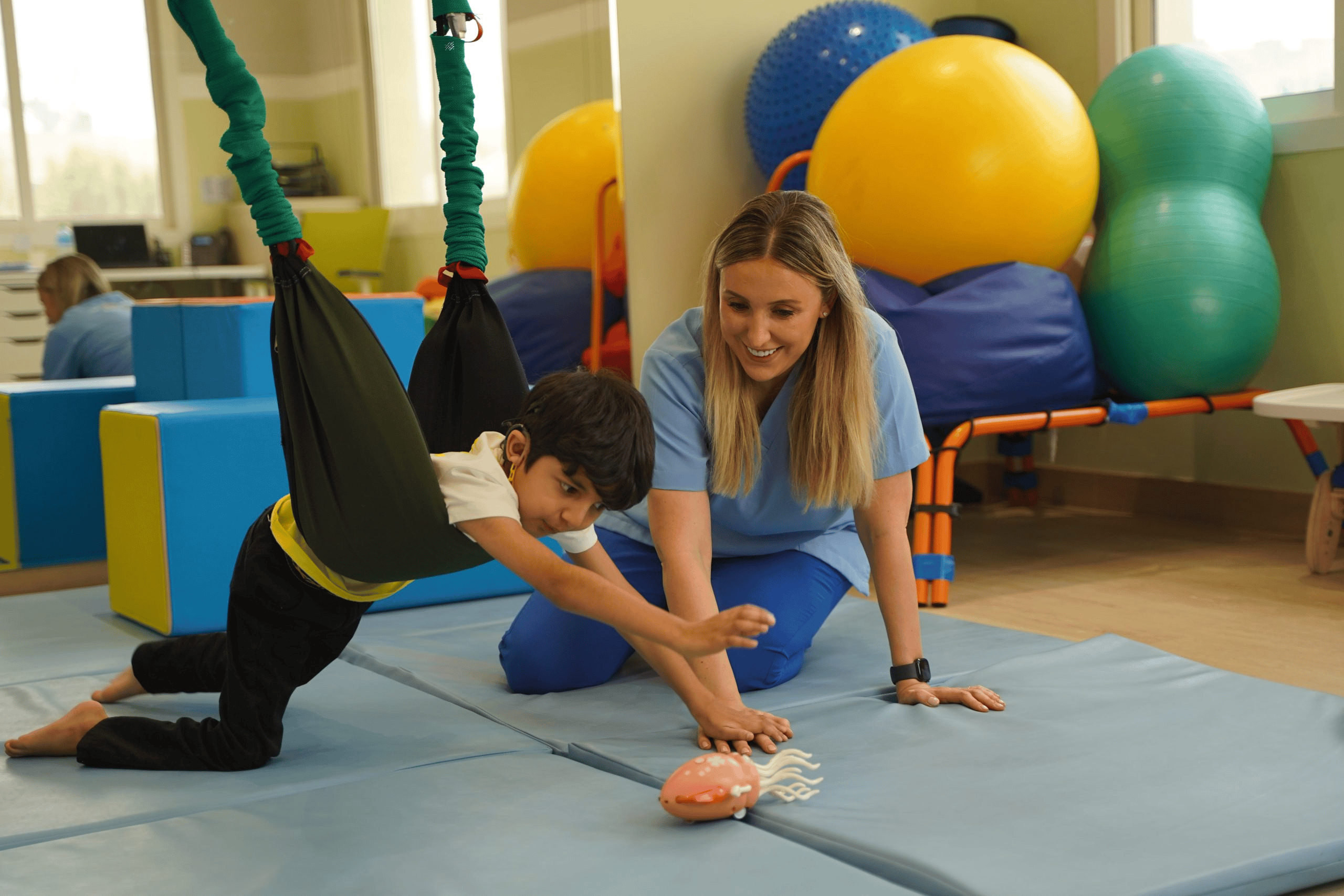
When a child’s nervous system gets overloaded, simple tasks become impossible. Recognizing those signals early opens the door to child occupational therapy, a practical tool that helps kids build skills for eating, writing, and playing without daily meltdowns.
Struggling with everyday self-care tasks:
Getting dressed, buttoning a shirt, or tying shoecords demands significant coordination. When a youngster consistently battles with utensils during mealtime or avoids brushing teeth completely, fine motor difficulties might be present. These self-care routines are foundation blocks for independence. Consistent avoidance or intense frustration with these basic daily habits shows that muscle control needs targeted attention.
Sensory sensitivities and strong reactions:
Some little ones experience the physical world with intense volume. Loud noises, bright lights, or the texture of certain clothes can trigger sudden, severe meltdowns. Alternatively, some individuals seek constant movement, crashing into walls or spinning without getting dizzy. These reactions show a struggle to process environmental information smoothly, which impacts comfort and behavior.
Challenges with fine motor activities:
Coloring, cutting paper, and building with small blocks build muscles in little hands. A child who struggles to hold a pencil correctly or actively avoids drawing might have weak hand strength. If these creative tasks cause quick fatigue or tears, the physical demands of preschool or kindergarten can quickly become overwhelming without proper assistance.
Difficulties with balance and large movements:
Clumsiness is common in childhood, but frequent falling or tripping over flat surfaces deserves closer observation. Children who find jumping, skipping, or climbing playground equipment exceptionally difficult may struggle with gross motor skills. Poor balance and weak core stability make physical play stressful, leading to social isolation from active peers.
Trouble maintaining focus and sitting still:
Staying seated during a short story or remaining focused on a simple puzzle is a learned skill. When a child constantly shifts positions, squirms, or leaves their seat rapidly, concentration becomes difficult. This ongoing restlessness can disrupt learning opportunities and make simple family meals stressful events for everyone at the table.